 Sign In
Ideal Paragraph Length and Structure: A Complete Guide
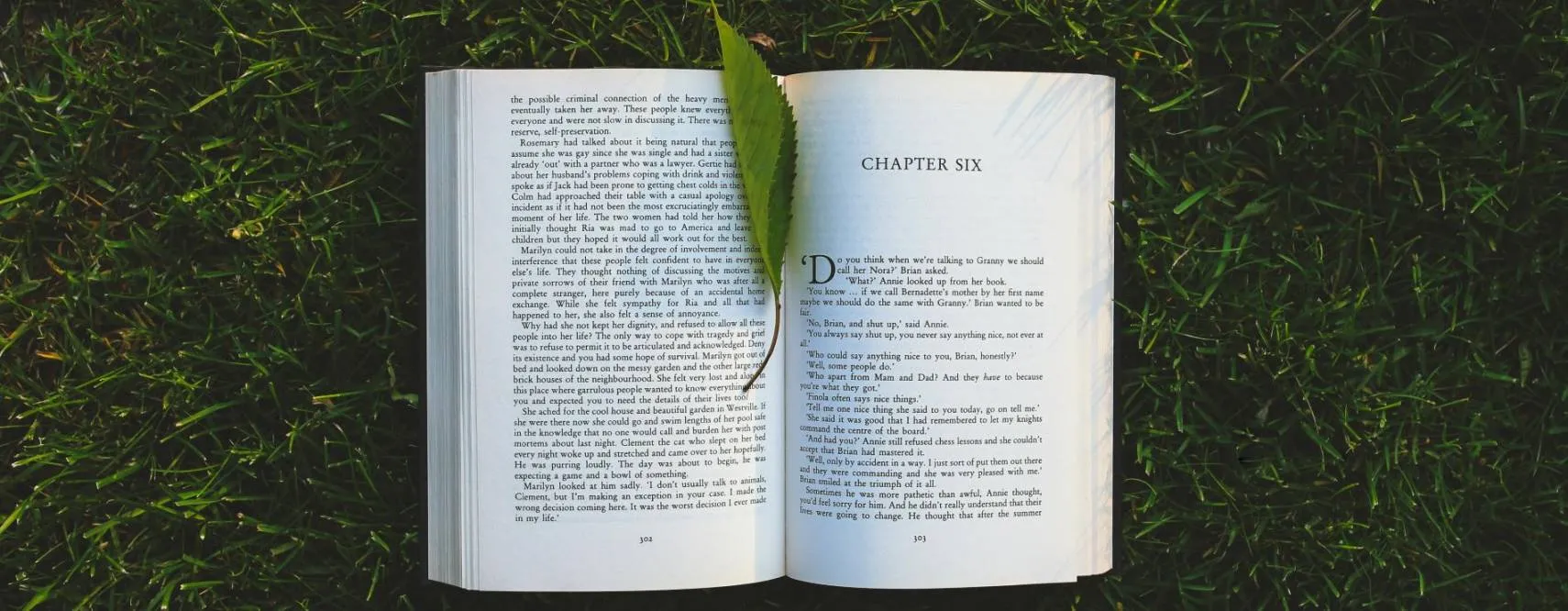
Understanding paragraph length is one of the most practical things you can do to improve your writing. Whether you're working on an academic essay, a business report, a blog post, or a novel, knowing how to construct and size your paragraphs makes your writing clearer, more readable, and more persuasive. This guide covers ideal paragraph length across different writing contexts, the structure of an effective paragraph, common paragraph problems, and how to fix them. For a focused look at sentence counts by writing type, read our guide on how many sentences should be in a paragraph.
What Is a Paragraph?
A paragraph is a self-contained unit of writing focused on a single idea or point. It consists of sentences that work together to develop that idea, creating a coherent section within a larger piece of writing. Paragraphs serve four key functions in written communication:
- Organizing ideas into manageable, readable sections
- Creating visual breaks that improve readability
- Signaling transitions between related thoughts
- Building a logical progression of ideas throughout the document
What Is the Ideal Paragraph Length?
There is no single correct paragraph length. The ideal length depends on your audience, medium, purpose, and the complexity of the idea you're developing. The traditional academic guideline of 5 to 8 sentences, or 100 to 200 words, reflects the need to fully develop complex arguments with evidence and analysis. Modern digital writing favors shorter paragraphs of 2 to 4 sentences because online readers tend to scan rather than read deeply.
Ideal Paragraph Length by Writing Context
Paragraph length norms vary significantly across different types of writing. Here's what's typical for each context:
- Academic writing. Academic paragraphs are typically the longest because they need to develop complex arguments thoroughly with evidence, analysis, and citation. Student essays typically run 4 to 6 sentences or 80 to 150 words. Academic papers and journal articles run 5 to 8 sentences or 100 to 200 words. Scientific papers are often longer, sometimes exceeding 300 words per paragraph.
- Digital content and blog posts. Online readers scan rather than read word for word. Shorter paragraphs with more white space are easier to read on screens and perform better in search results. Blog posts typically run 2 to 4 sentences or 40 to 100 words. News articles run 1 to 3 sentences. Marketing copy is often a single sentence or very short paragraph of 20 to 50 words.
- Fiction writing. In creative writing, paragraph length is a stylistic tool that controls pacing, emphasis, and emotional impact. Fiction allows for the greatest range, from a single word to 150 or more words. Dialogue is often a single sentence per paragraph, action sequences use shorter paragraphs to increase pace, and descriptive passages use longer ones to slow the reader down.
- Business and professional writing. Professional writing requires clarity and efficiency. Business emails typically run 3 to 5 sentences or 60 to 120 words. Reports run 4 to 6 sentences or 80 to 150 words. Technical documentation varies based on complexity.
The Structure of an Effective Paragraph
Regardless of length, well-constructed paragraphs follow a recognizable three-part structure. Understanding this structure makes it easier to write paragraphs that are clear, complete, and easy to follow.
- Topic sentence. The topic sentence introduces the paragraph's main idea and tells the reader what the paragraph will be about. It serves as a signpost, preparing the reader for what follows and connecting the paragraph to the overall argument or thesis.
- Supporting sentences. Supporting sentences develop the idea introduced in the topic sentence by providing evidence, examples, analysis, and elaboration. Every supporting sentence should connect directly to the topic sentence. If a sentence introduces a new idea, it belongs in a new paragraph.
- Concluding or transitional sentence. A concluding sentence summarizes the paragraph's key point, reinforces its significance, or creates a smooth transition to the next paragraph.
- Unity. All sentences should relate to and support the main idea presented in the topic sentence.
- Coherence. Ideas should flow logically from one sentence to the next using appropriate transitions.
- Development. Supporting sentences should provide sufficient detail and evidence to fully explain the main idea.
- Emphasis. The most important information is typically placed at the beginning (topic sentence) and end (concluding sentence).
How Many Sentences Should a Paragraph Have?
The traditional guidance that a paragraph should contain at least 3 to 5 sentences comes from academic writing conventions, but effective paragraphs can be much shorter or longer depending on context. The most important factor is not sentence count but whether the paragraph fully develops its central idea while keeping the reader engaged. For a detailed breakdown by writing type, read our guide on how many sentences should be in a paragraph.
Special Considerations for ESL Writers
For writers whose first language is not English, paragraph construction presents specific challenges beyond grammar. Understanding the underlying principles of paragraph structure, not just the rules, helps ESL writers produce more natural and effective paragraphs. Useful starting points include the standard academic model of topic sentence, supporting sentences, and concluding sentence; a focus on clear transitions between ideas; and ensuring paragraph unity, where every sentence relates directly to the main idea.
Common paragraph problems for ESL writers include topic drift, where a paragraph begins with one idea and shifts to another; insufficient development, where the main idea is stated but not explained; and weak transitions between sentences and paragraphs.
Common Paragraph Problems and How to Fix Them
- Overly long paragraphs. Check whether the paragraph contains more than one main idea. If it does, split it into separate paragraphs. Remove or relocate any sentence that doesn't directly support the topic sentence.
- Underdeveloped paragraphs. Expand the main point with evidence, examples, or explanation. Ask yourself how, why, and what does this mean to generate supporting content.
- Topic drift. Strengthen your topic sentence and test every subsequent sentence against it. If a sentence doesn't clearly relate to the topic sentence, move it or remove it.
- Choppy, disconnected paragraphs. Add transitions between paragraphs and ensure a logical progression of ideas. Review whether your paragraphs are ordered effectively.
- Repetitive paragraph structure. Vary your sentence structure and paragraph openings. Not every paragraph needs to follow the same pattern.
Practical Tips for Better Paragraph Construction
- One idea per paragraph. Each paragraph should develop a single main point. If you find yourself introducing a second idea, start a new paragraph.
- Match length to context. Academic readers expect detailed paragraphs. Digital readers prefer shorter ones. Know your audience and write accordingly.
- Use transitions. Connect paragraphs with transitional words or phrases, or by referring back to the previous idea while introducing the next one.
- Vary paragraph length. Consistent paragraph length creates monotony. Varying length creates rhythm and can emphasize key points.
- Read aloud. Reading your writing aloud helps identify paragraphs that feel too long, too short, or awkwardly structured.
- Check visual appearance. Step back and look at your document as a whole. Dense blocks of text with no variation signal that paragraphs may need to be broken up.
FAQs
What is the ideal paragraph length?
There's no single ideal paragraph length that applies to all writing. Academic paragraphs typically run 5 to 8 sentences or 100 to 200 words. Blog posts and digital content work best with 2 to 4 sentences. Business writing usually falls in the 3 to 6 sentence range. The right length is whatever fully develops the paragraph's central idea without losing the reader.
What are the three parts of a paragraph?
Most effective paragraphs consist of three parts: a topic sentence that introduces the main idea, supporting sentences that develop that idea with evidence and explanation, and a concluding or transitional sentence that wraps up the paragraph or leads into the next one.
How do I know if my paragraph is too long?
A paragraph is probably too long if it contains more than one distinct idea, if the final sentence feels disconnected from the first, or if it runs to ten sentences or more without a natural break. Reading the paragraph aloud is one of the most reliable ways to identify when it has gone on too long.
Can a paragraph be one sentence?
Yes, in many writing contexts. A single sentence paragraph is a powerful tool for emphasis in creative writing, journalism, and digital content. In formal academic writing, a one sentence paragraph usually signals an underdeveloped point and should be expanded or merged with an adjacent paragraph.
Does paragraph length affect SEO?
Yes, indirectly. Shorter paragraphs with more white space improve readability on screen, which reduces bounce rates and increases time on page. Search engines use these engagement signals as ranking factors. For web content, paragraphs of 2 to 4 sentences are generally more effective than the longer paragraphs appropriate for academic writing.
Get Expert Help With Your Writing
Whether you're working on an academic paper, a business document, or a blog post, Editor World's professional editors can help you refine paragraph structure, flow, and clarity. Our native English editors are available 24/7, prices are transparent, and turnaround times start at 2 hours. Browse our editors and submit your document today.